


Changelog
July 1, 2026
.svg)
.jpg)
Software quality is no longer optional; it's a competitive advantage. As development cycles shrink and user expectations rise, quality assurance testing teams are under more pressure than ever to ship faster without breaking things.
That's exactly where AI steps in. Modern AI-powered testing platforms are transforming how QA teams operate by reducing manual workload, improving test coverage, and catching bugs before they reach production. In this blog, we've rounded up the best AI tools for QA testing in 2026 to help enterprises scale their QA efforts efficiently.
Whether you're managing hundreds of test cases or just getting started with quality assurance test automation, these tools are built to grow with your team.
Choosing the right AI testing tool isn't just about features; it's about fit. A tool that works brilliantly for one team might slow down another. The right choice depends on your existing workflows, team size, technical expertise, and the complexity of what you're building. Below, we break down seven leading tools to help you make an informed decision.
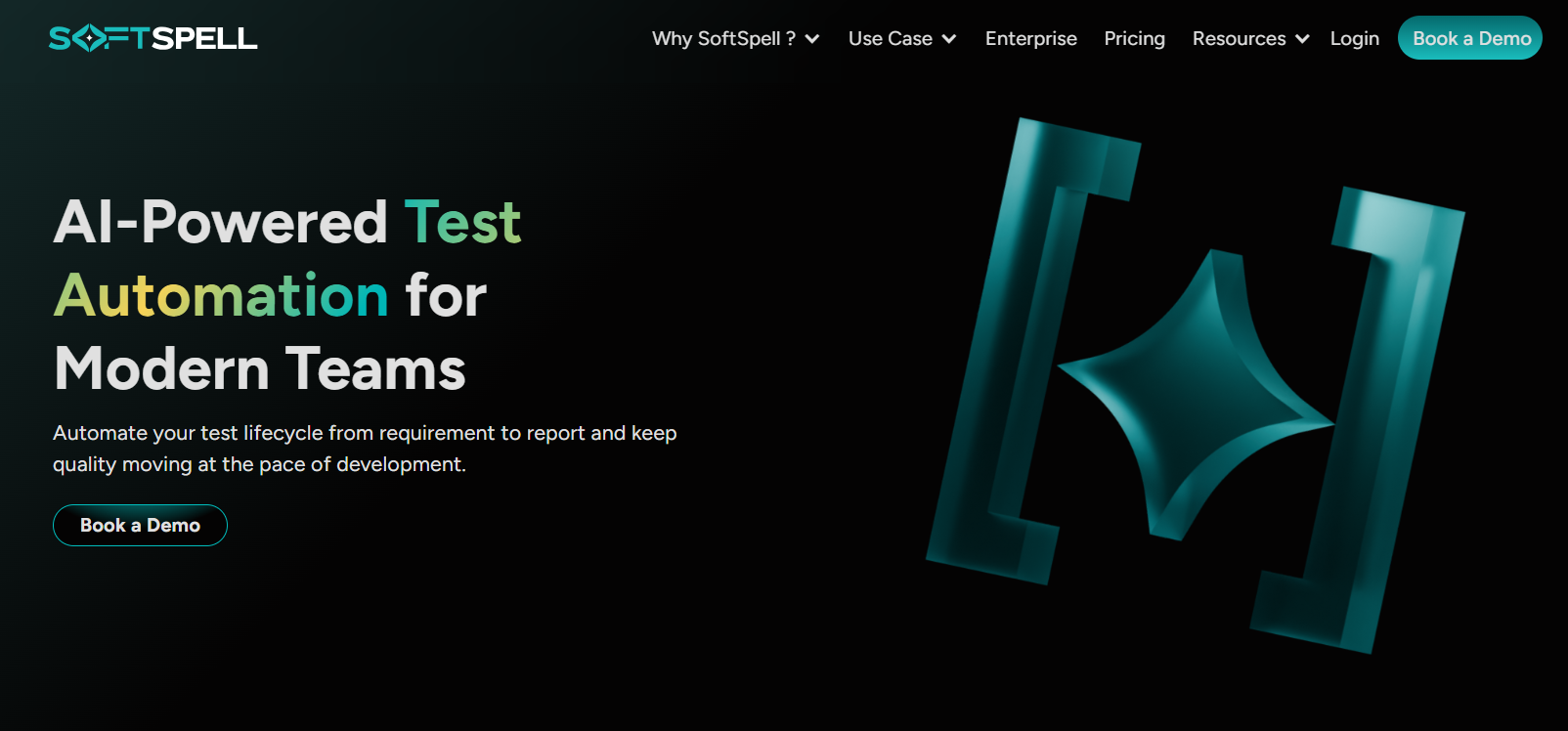
TestSpell from SoftSpell is emerging as one of the most powerful automated QA testing platforms built specifically for modern engineering teams. It bridges the gap between requirement documentation and test execution, making it a standout choice for enterprises that need speed, scale, and precision in their QA lifecycle.
Key Features:
Suggested Read: Evaluating AI Testing Platforms? Here's How TestSpell Outperforms Traditional Automation Tools
Who Is It For?
TestSpell is built for enterprises that need scalable, fast, and comprehensive QA automation integrated directly into their SDLC. If your team is juggling multiple products, frequent releases, and growing test suites, TestSpell is designed to handle that complexity without adding overhead.
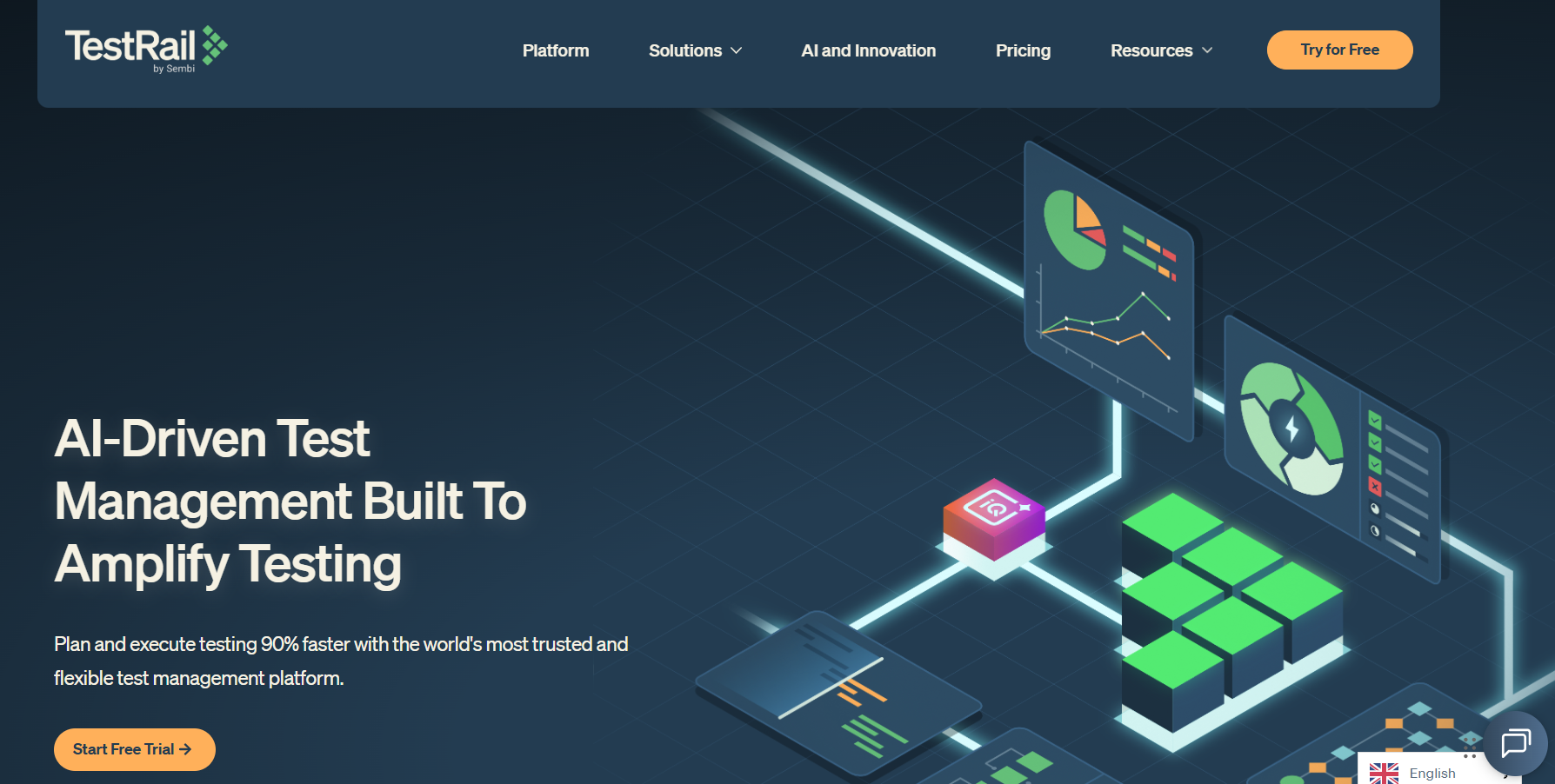
TestRail is a well-established name in test management, and its AI-powered features have made it one of the best AI tools for programmers and QA professionals who need structure without sacrificing speed.
Key Features:
Who Is It For?
TestRail is best for teams looking for a fast, customizable test management solution that works within their existing workflows. It's especially useful for QA leads who want visibility across large test libraries without losing the ability to customize.
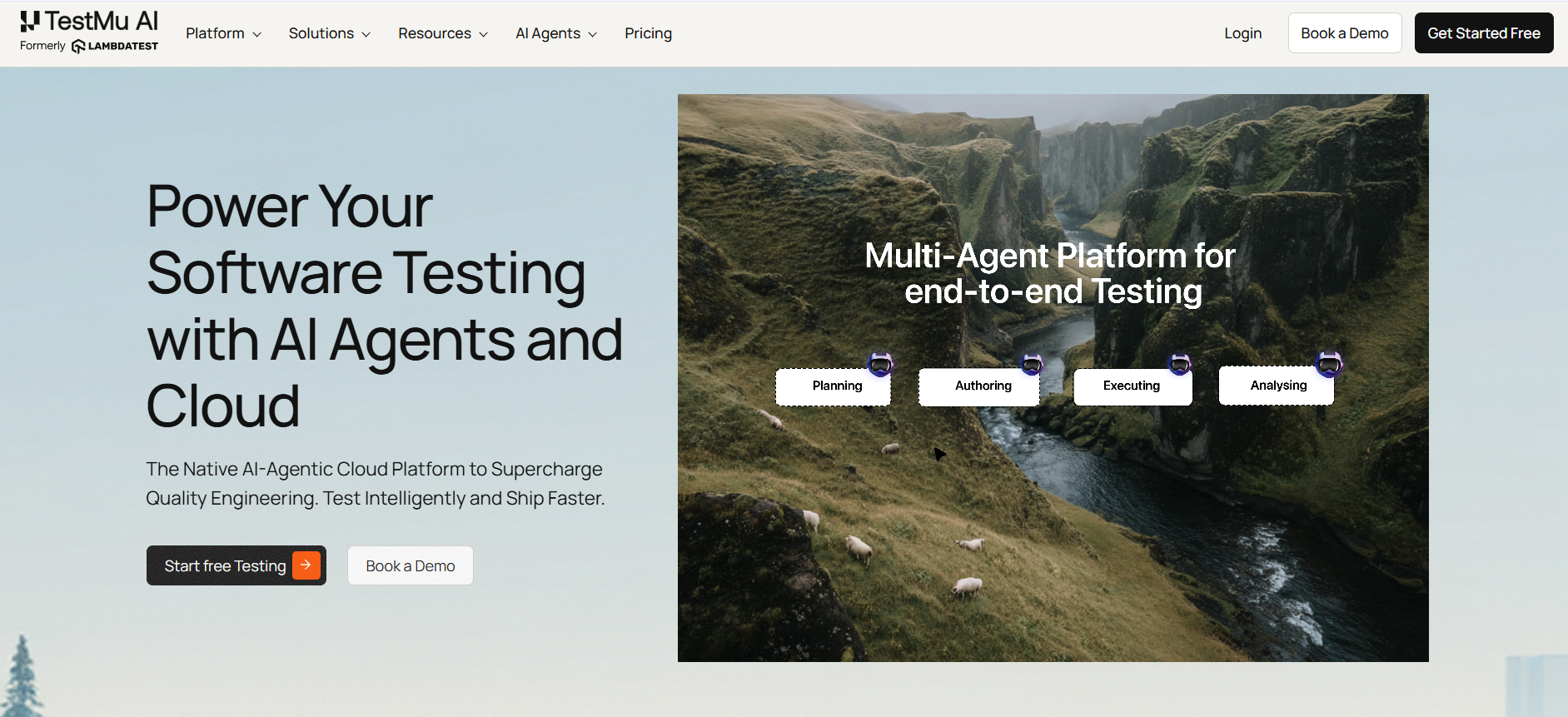
TestMu AI takes a refreshing approach to quality assurance test automation by making it accessible to everyone on the team, not just engineers. Its natural language processing capabilities allow testers to author tests the same way they'd write instructions in plain English.
Key Features:
Who Is It For?
TestMu AI is ideal for teams seeking to simplify test creation and management without requiring specialized coding knowledge. It's a strong option for cross-functional teams where product managers and business analysts actively participate in QA.

Functionize brings real-time intelligence to automated QA testing, making it one of the most responsive tools for teams that can't afford to wait on slow feedback loops. Its AI engine continuously learns from your application, adapting tests as your product evolves.
Key Features:
Who Is It For?
Functionize is best for teams focusing on fast, scalable testing with real-time insights. It's particularly valuable for engineering teams running continuous delivery pipelines where speed and accuracy are both non-negotiable.
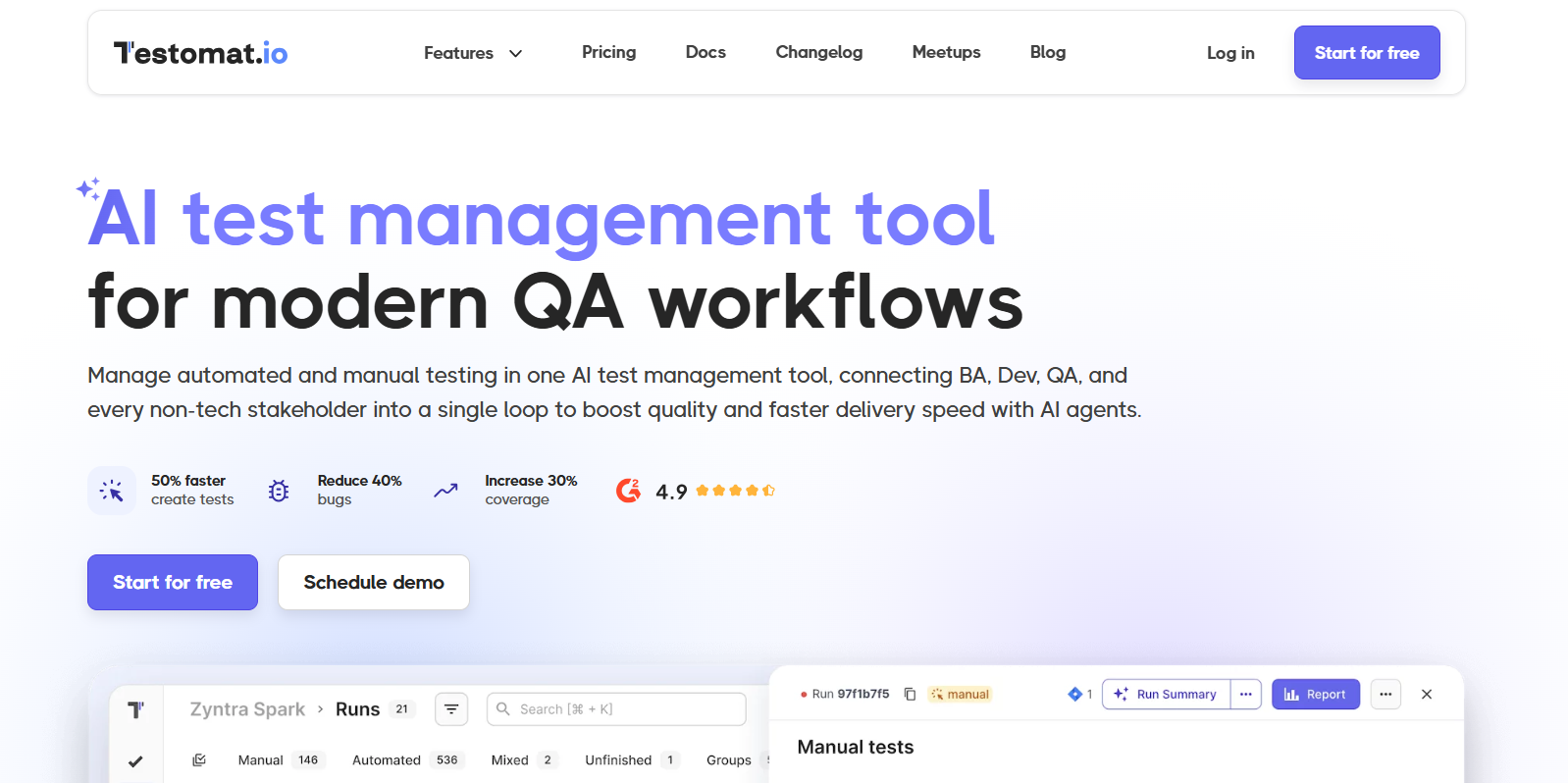
Testomat is a smart choice for teams that want a single workspace for both manual and automated tests. It's one of the best AI tools for coders who also need to collaborate closely with non-technical stakeholders without switching between multiple platforms.
Key Features:
Who Is It For?
Testomat is for teams that want to simplify test management and enhance collaboration between technical and non-technical stakeholders. It's an excellent fit for agile teams where QA is a shared responsibility across the whole squad.
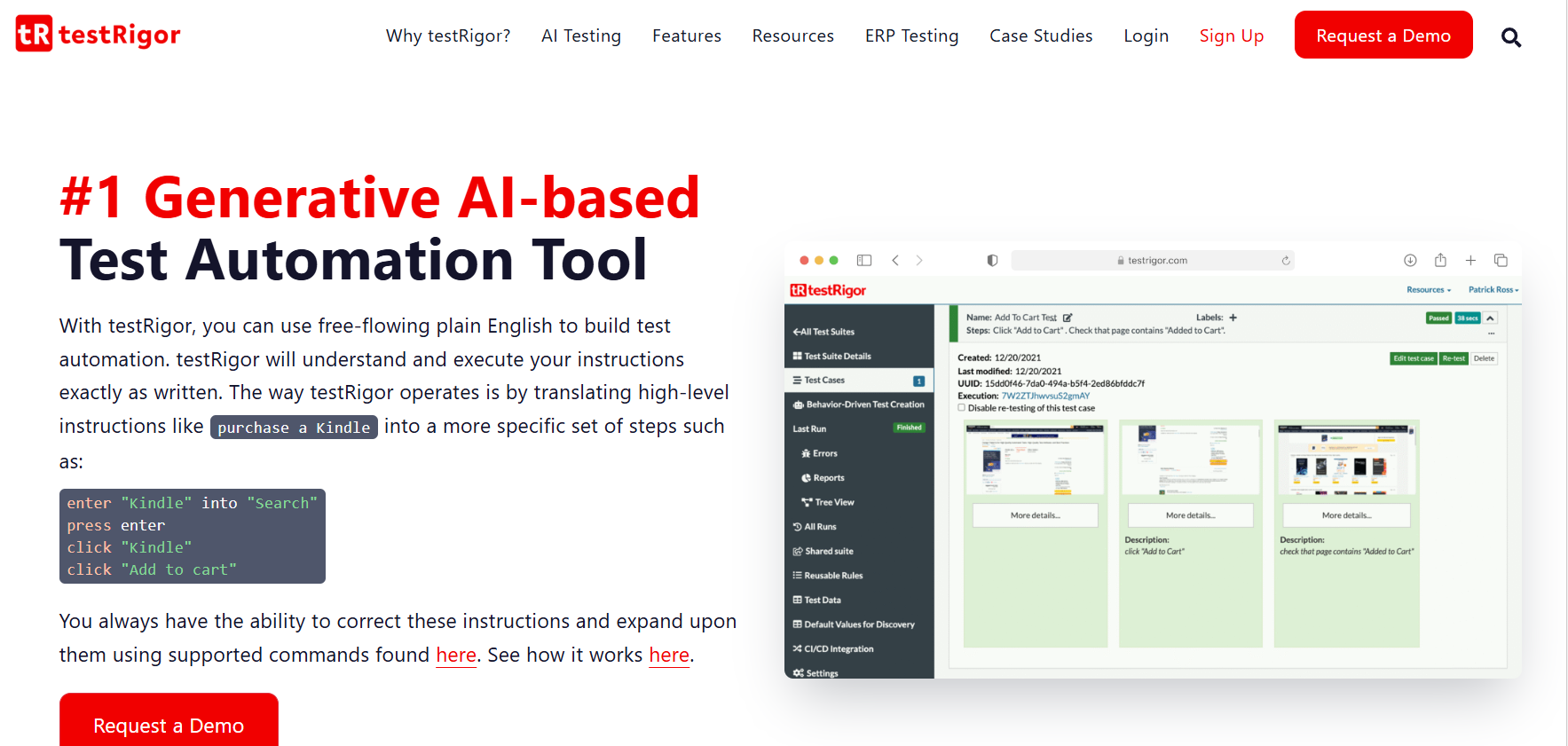
testRigor reimagines what quality assurance testing looks like by removing the complexity of scripting. Its plain English approach means your team spends less time writing automation code and more time building better software.
Key Features:
Who Is It For?
testRigor is for teams looking for a simple, easy-to-use solution for comprehensive test automation. If your team is bogged down in maintaining complex test scripts, testRigor offers a cleaner, more sustainable alternative.

Qase rounds out this list as a powerful platform for teams that want everything in one place. Combining test management, AI-powered generation, and real-time reporting, Qase is one of the best AI tools for programmers who want end-to-end visibility into their QA pipeline.
Key Features:
Who Is It For?
Qase is for teams looking to centralize testing and get detailed insights with AI-powered test management. It's especially effective for growing teams that need scalable infrastructure without enterprise-level complexity.
The right AI testing tool can be the difference between shipping confidently and shipping with crossed fingers. As quality assurance test automation continues to evolve, the tools covered in this blog represent the cutting edge of what's possible in 2026.
From no-code authoring to deep CI/CD integrations, each platform brings something unique to the table. The key is matching the tool to your team's needs, workflows, and growth stage. Start by identifying your biggest QA bottleneck, and let AI do the rest. These are the best AI tools for QA testing to help you get there.





July 1, 2026
Don’t Miss Out
We share cool stuff about coding, AI, and making dev life easier.
Hop on the list - we’ll keep it chill.

© 2026, SoftSpell. All Rights Reserved


