11 QA Automation Testing Tools Every Dev Team Should Know in 2026

TestSpell

March 24, 2026

TL;DR

The top 11 QA automation testing tools are TestSpell from SoftSpell, Testim, Katalon, TestRail, Playwright, TestMu AI, Postman, Tricentis qTest, TestLodge, PractiTest, and AgileTest.

Software teams now ship faster than ever. You must keep quality strong at the same time. QA automation testing tools replace slow and error-prone manual work. They bring faster and more repeatable workflows.

The shift is clear:

  • 60% of teams use automation to improve product quality
  • 58% use it to increase deployment speed

Applications now span web, mobile, API, and desktop. CI and CD also demand instant feedback. So, choosing the right tool gets harder.

Modern QA automation testing tools go beyond scripts. They offer AI-driven test creation and real-time insights.

This list shares the 11 best QA automation testing tools for 2026, and why TestSpell excels based on real-world impact.

11 Best QA Automation Testing Tools for 2026

S.No QA Testing Tools List Best Features Who Is It For?
1 TestSpell (SoftSpell) AI-driven test generation
Automated validation workflows
Seamless SDLC integration via CodeSpell and ReqSpell
QA engineers
Automation engineers
Developers
2 Testim Agentic test creation via natural language QA teams
3 Katalon AI testing agents QA engineers
4 TestRail Intuitive test case management QA managers
5 Playwright Cross-browser and cross-platform automation Developers
Automation engineers
6 TestMu AI Intelligent test analytics Automation engineers
DevOps teams
7 Postman Pipeline-native API test automation API testers
API-driven teams
8 Tricentis qTest Agentic AI test creation from requirements Enterprise QA leaders
9 TestLodge Simple test plan and run organization QA teams
10 PractiTest Connected data model for AI context QA managers
11 AgileTest AI-generated test cases inside Jira Jira-based QA teams

1. TestSpell by SoftSpell

SoftSpell accelerating SDLC by about 40 percent while reducing defects by 70 percent through AI-driven development automation.

TestSpell from SoftSpell is the AI-powered QA automation testing tool inside the SoftSpell platform. It helps you remove the time spent on manual test creation and maintenance. It uses smart automation to create, run, and validate tests across complex environments. This gives your QA team a strong start from the first sprint. 

Key Features

  • Intelligent Test Generation: TestSpell studies your application and creates test cases that match real user behavior. This reduces manual work and avoids coverage gaps.
  • Automated Validation Workflows: TestSpell runs and validates tests in workflows that match your release cycle. This helps you catch defects early without slowing delivery.
  • AI-Driven Test Maintenance: TestSpell updates tests as your application changes. It reduces manual effort and keeps your test suite stable over time.

What Else SoftSpell Excels At

TestSpell handles testing, but SoftSpell offers more across development.

  • CodeSpell: It helps you generate, review, and improve code during development. It keeps code clean and easier to test.
  • ReqSpell: It helps you refine requirements and create clear outputs. This improves the quality of tests created later.

Who Is It For?

TestSpell suits QA engineers, automation engineers, developers, product managers, and engineering leaders who want testing built into the full SDLC.

Suggested Read: From Reactive Testing to Predictive QA: How Testspell Enables Continuous Quality at Scale 
2. Testim

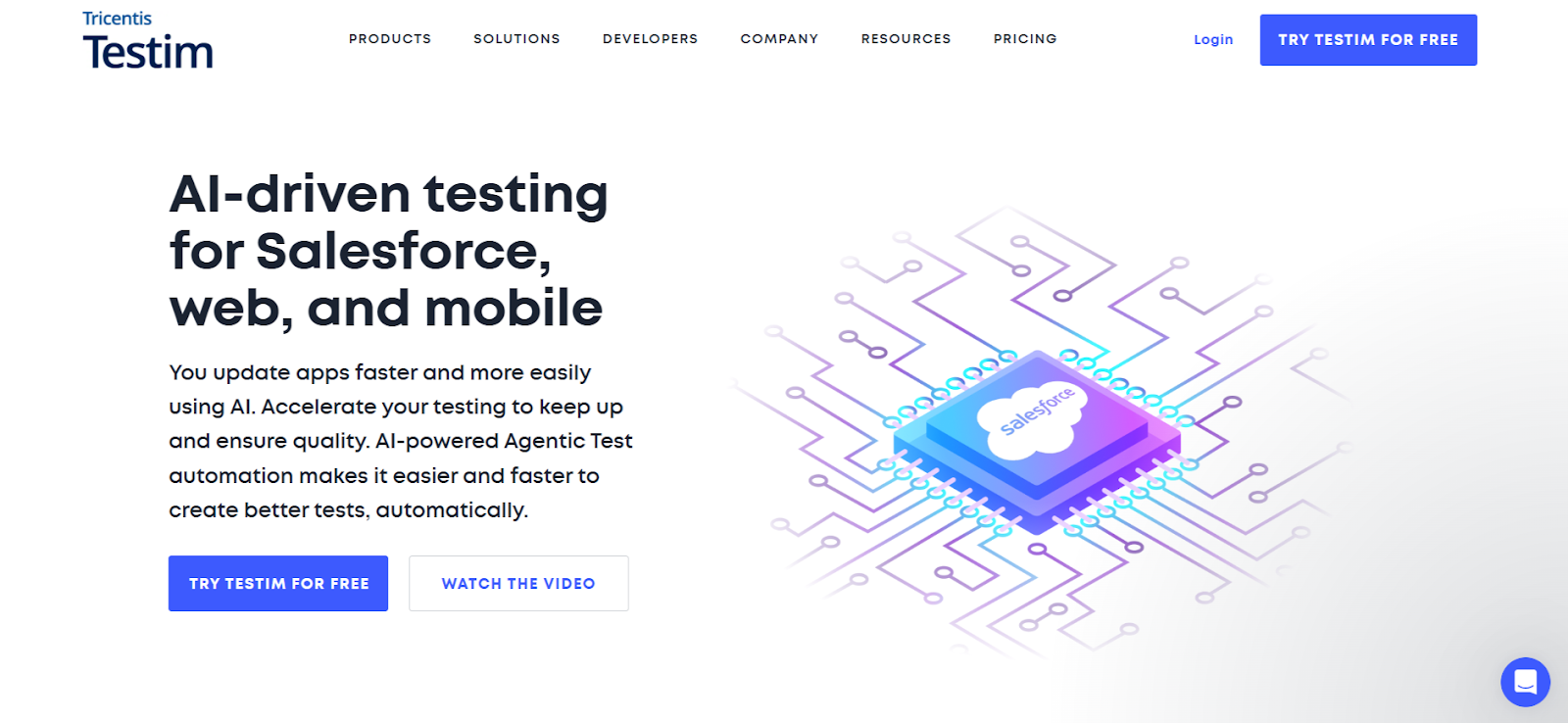
Testim AI-driven testing platform helping teams automate testing across Salesforce, web, and mobile applications.

Testim is an AI-driven test automation platform from Tricentis. It helps you test web, mobile, and Salesforce applications faster. It uses agent-based AI to create tests from simple language inputs. This makes test creation easy, even without deep scripting skills.

Key Features

  • Agent Driven Test Creation: You describe what to test, and Testim creates the test automatically. This reduces test creation time.
  • AI and ML Locator Stability: Testim learns your app elements and keeps tests stable even when the UI changes.
  • End-to-End CI and CD Integration: Testim fits into your pipeline and supports continuous testing in every release.

Who Is It For?

Testim works well for QA teams, automation engineers, DevOps teams, and Salesforce testing teams that want faster and stable QA automation.
3. Katalon

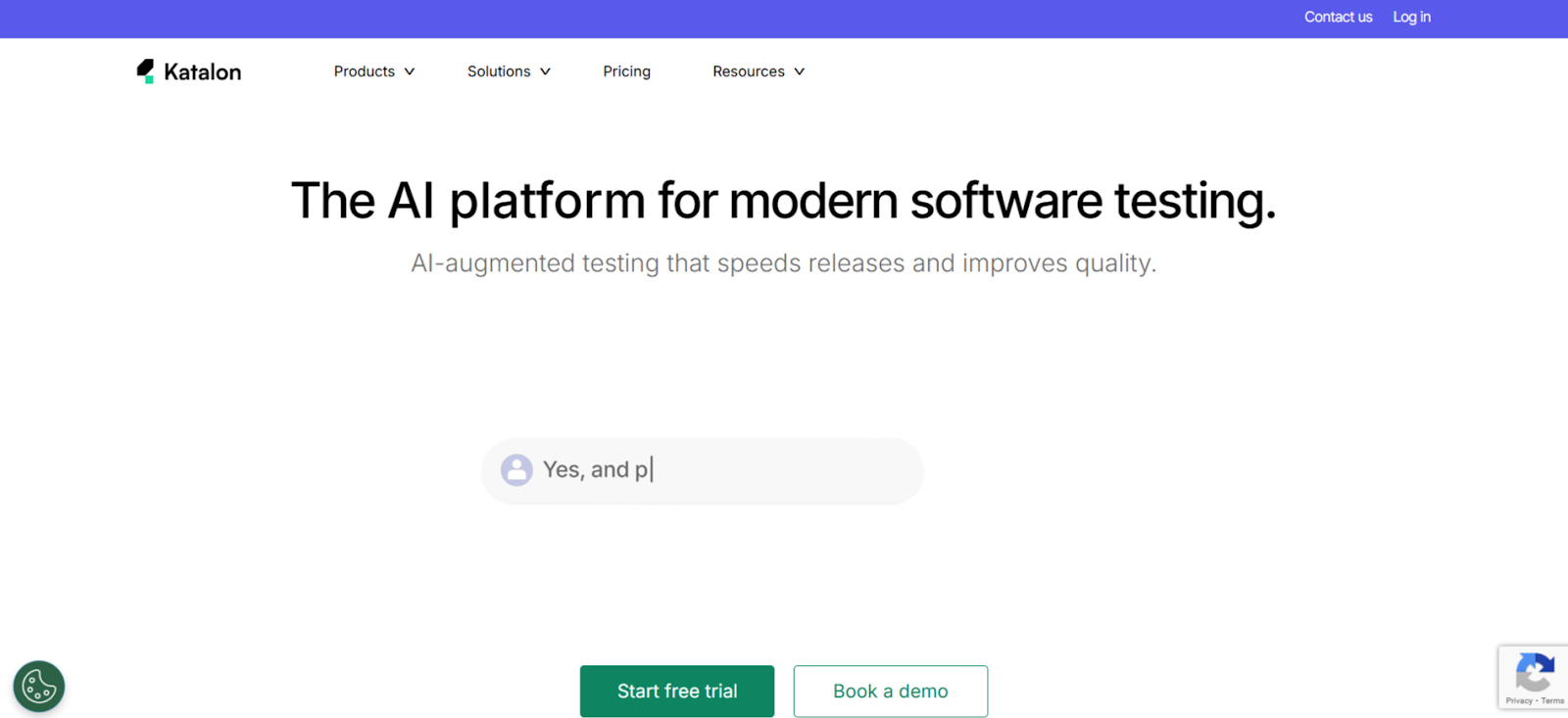
Katalon AI testing platform helping teams accelerate releases and improve software quality.

Katalon is a complete AI-supported testing platform. It supports every stage of testing across web, mobile, API, and desktop apps. It gives you smart support at each step of the testing process.

Key Features

  • Purpose-built AI Testing Agents: Katalon uses different AI agents for planning, design, setup, execution, and reporting. Each agent focuses on a specific stage.
  • Multi-Platform Coverage: Katalon supports many platforms in one place. It offers low-code options and full code flexibility.

Who Is It For?

Katalon fits QA engineers, automation testers, and enterprise teams that manage complex testing at scale.
4. TestRail

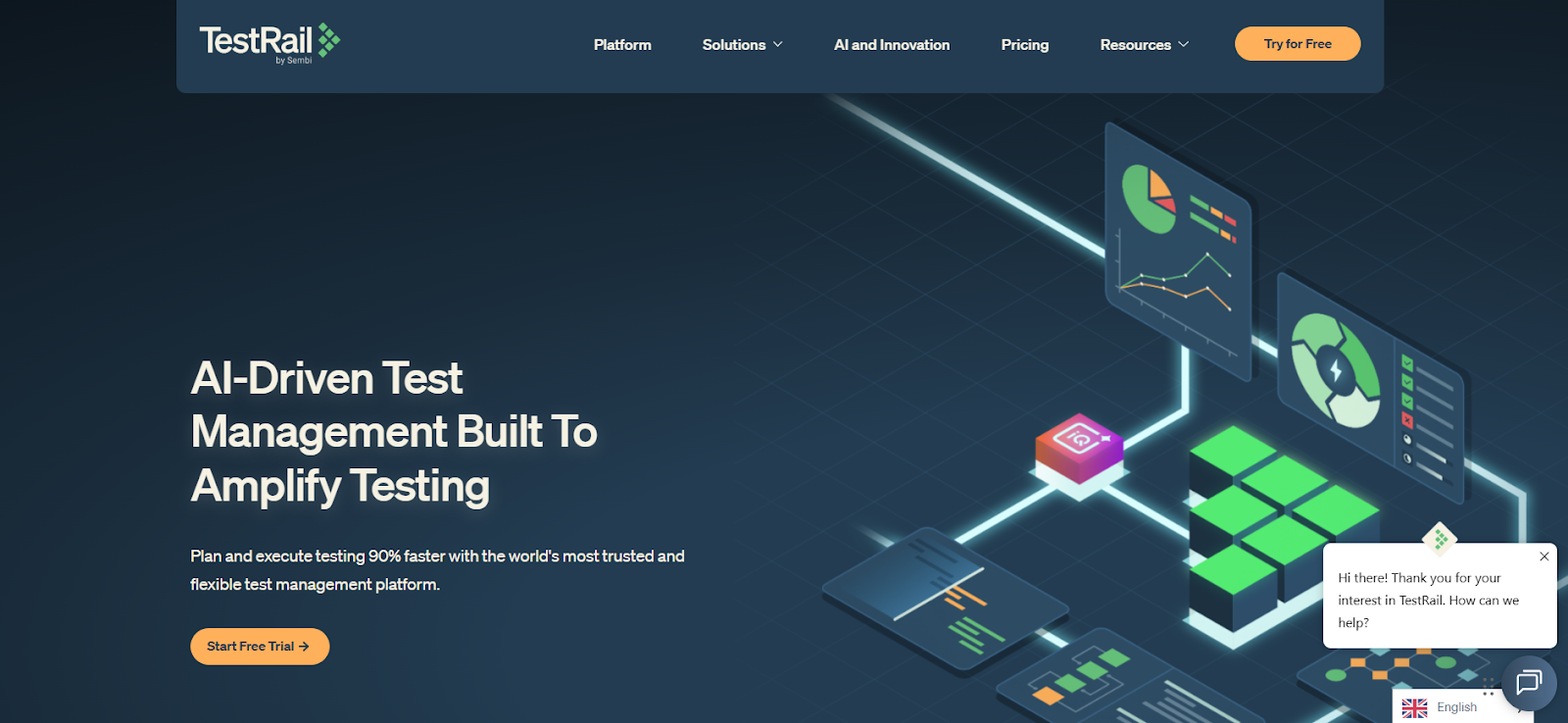
TestRail AI-driven test management platform helping teams plan and execute testing faster.

TestRail is a dedicated QA testing and test management platform. It helps you manage and track all testing activities in one place. It supports both manual and automated testing.

Key Features

  • Intuitive Test Case Management: TestRail helps you organize test cases into folders, runs, and plans. This keeps testing structured across projects.
  • Full Requirement to Defect Traceability: It connects tests with requirements and defects. This gives clear visibility into coverage and gaps.
  • Real-Time Dashboards: Dashboards show progress in real time. You can track results and create reports easily.

Who Is It For?

TestRail suits QA managers, test leads, and teams that need structured test management across projects.
5. Playwright

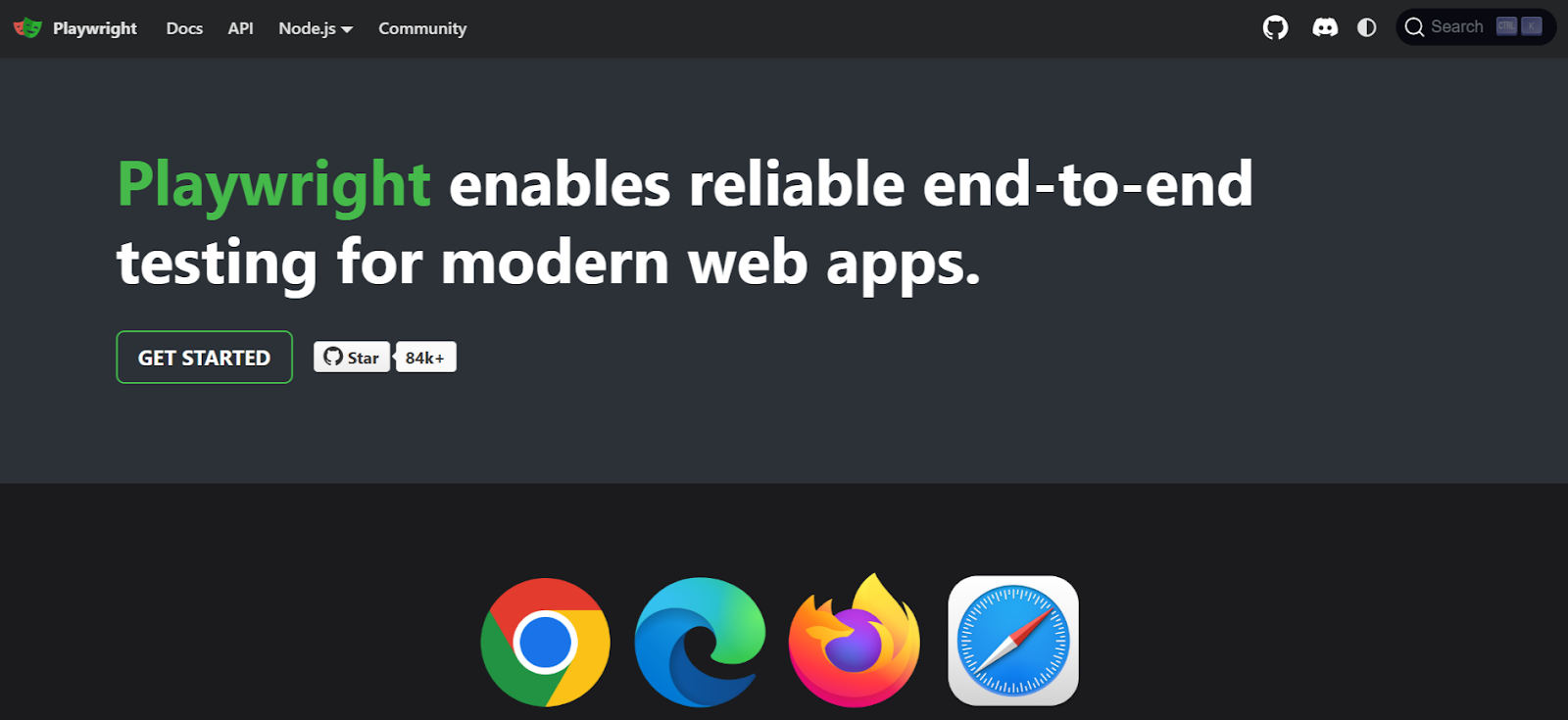
Playwright testing framework enabling reliable end-to-end testing for modern web applications.

Playwright is a strong open source testing framework created by Microsoft. It helps you test modern web apps across different browsers and systems. It runs tests in a way that matches real browser behavior.

Key Features

  • Cross-Platform Automation: Playwright supports major browsers and systems with one API. This helps you test everything in one place.
  • Auto Wait for Stable Tests: Playwright waits for elements to be ready before actions. This reduces unstable tests and saves time.

Who Is It For?

Playwright suits developers and automation engineers who prefer coding and work on modern web applications across different environments.
6. TestMu AI

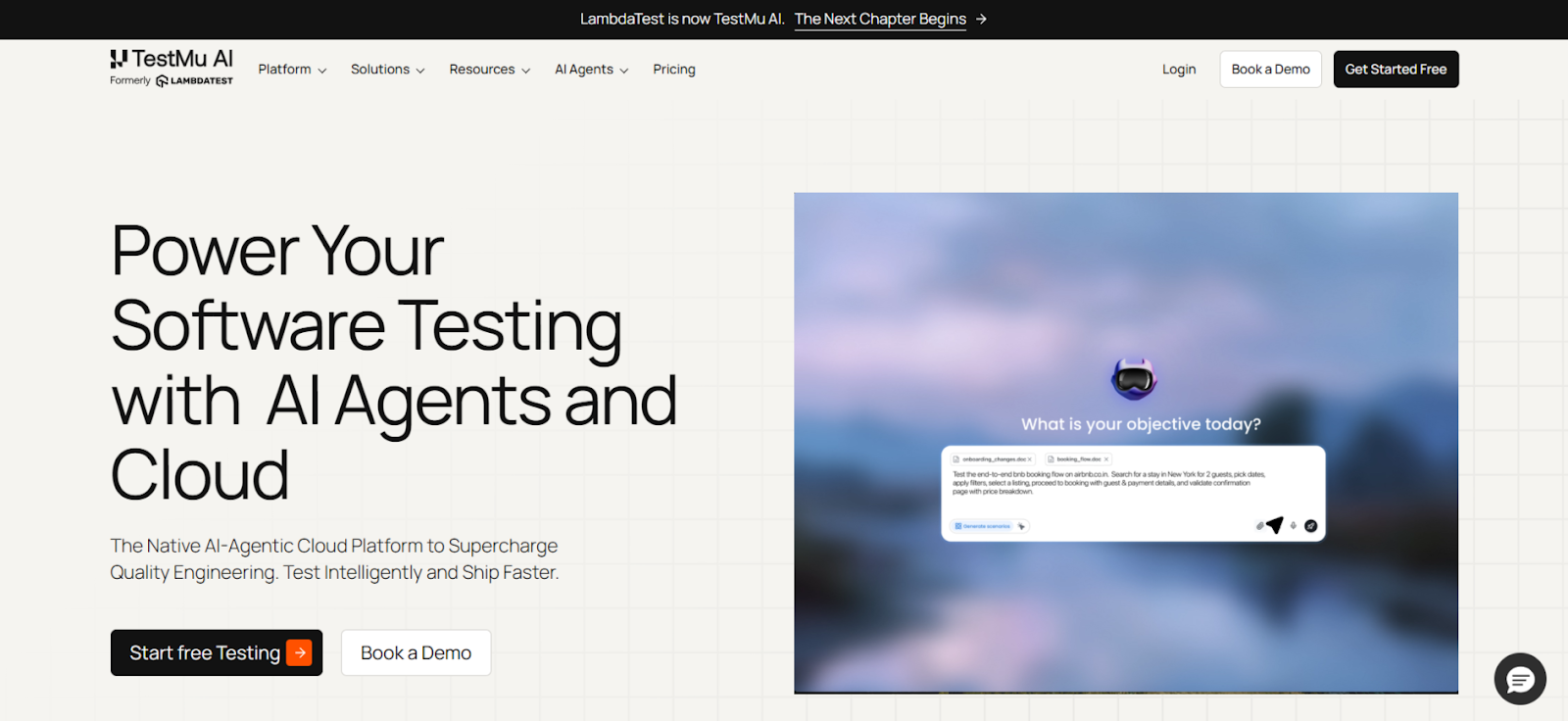
TestMu AI cloud platform using intelligent agents to help teams improve testing efficiency.

TestMu AI is a modern AI native cloud testing platform. It lets you run automated tests across more than 10,000 real browsers and devices. You do not need any local setup or maintenance. Over two million users trust it worldwide, including teams at Microsoft, OpenAI, and NVIDIA.

Key Features

  • AI Native Testing Cloud: TestMu AI uses AI to detect, retry, fix, and analyze unstable tests. This keeps results reliable and reduces time spent on false failures.
  • Natural Language Test Authoring: KaneAI helps you plan and create test cases using simple language. It makes test automation easy without deep coding skills.
  • Test Analytics and Intelligence: TestMu AI collects test data into dashboards with AI insights, reports, and trends. This helps you make fast and clear quality decisions.

Who Is It For?

TestMu AI suits automation engineers, DevOps teams, and enterprise QA teams that need large-scale coverage with smart AI support.
7. Postman

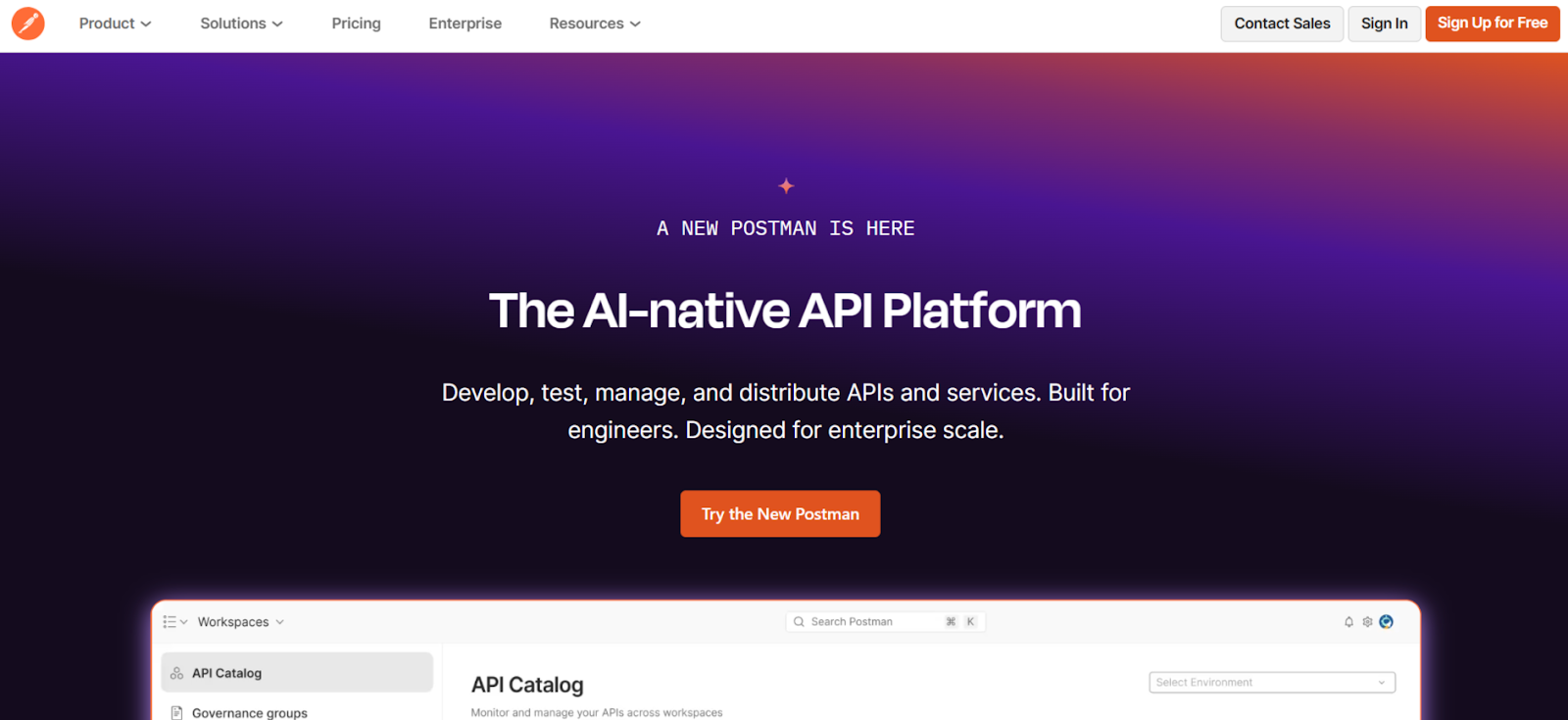
Postman AI native API platform helping teams develop, test, manage, and scale APIs efficiently.

Postman is a widely used API platform. It supports API development, documentation, and testing. It also provides strong test automation in software testing. It runs API tests in your pipeline and checks every change before release. 

Key Features

  • API Test Automation: Postman connects with GitHub Actions, Jenkins, and GitLab. It runs API tests on every commit and keeps your main branch stable.
  • Reusable Test Collections: Postman lets you reuse test collections across environments. This keeps results consistent across teams. 
  • Proactive Monitoring: Postman detects API issues early. It also lets you replay failed API calls for quick debugging.

Who Is It For?

Postman suits API testers, backend developers, and platform teams that build API driven systems and need automated quality checks.
8. Tricentis qTest

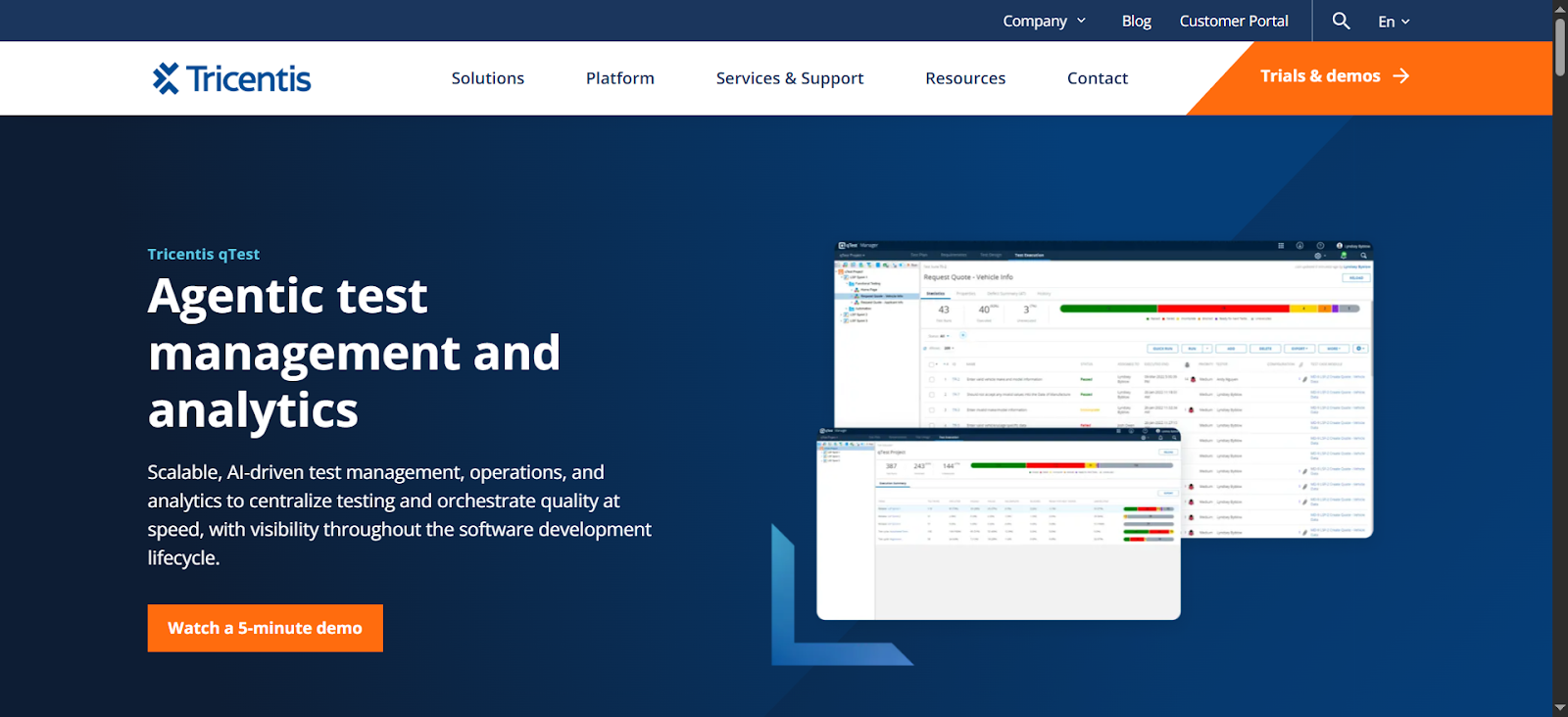
Tricentis qTest AI-driven test management platform helping teams centralize testing.

Tricentis qTest is a strong test management and analytics platform. It helps you manage quality across large and complex environments. It combines AI-powered test creation, automation control, and reporting in one place.

Key Features

  • Agent Driven Test Creation: qTest creates and reuses test cases from requirements and images. It reduces manual work and keeps tests aligned with updates.
  • Scalable Automation Control: qTest manages and schedules automated tests at scale. It supports many tools and builds smart workflows with your pipeline.
  • Custom Dashboards: qTest gives ready reports and custom dashboards. You can share them easily with teams and leaders.

Who Is It For?

Tricentis qTest fits enterprise QA leaders, program managers, DevOps teams, and large organizations that need scale and visibility.
9. TestLodge

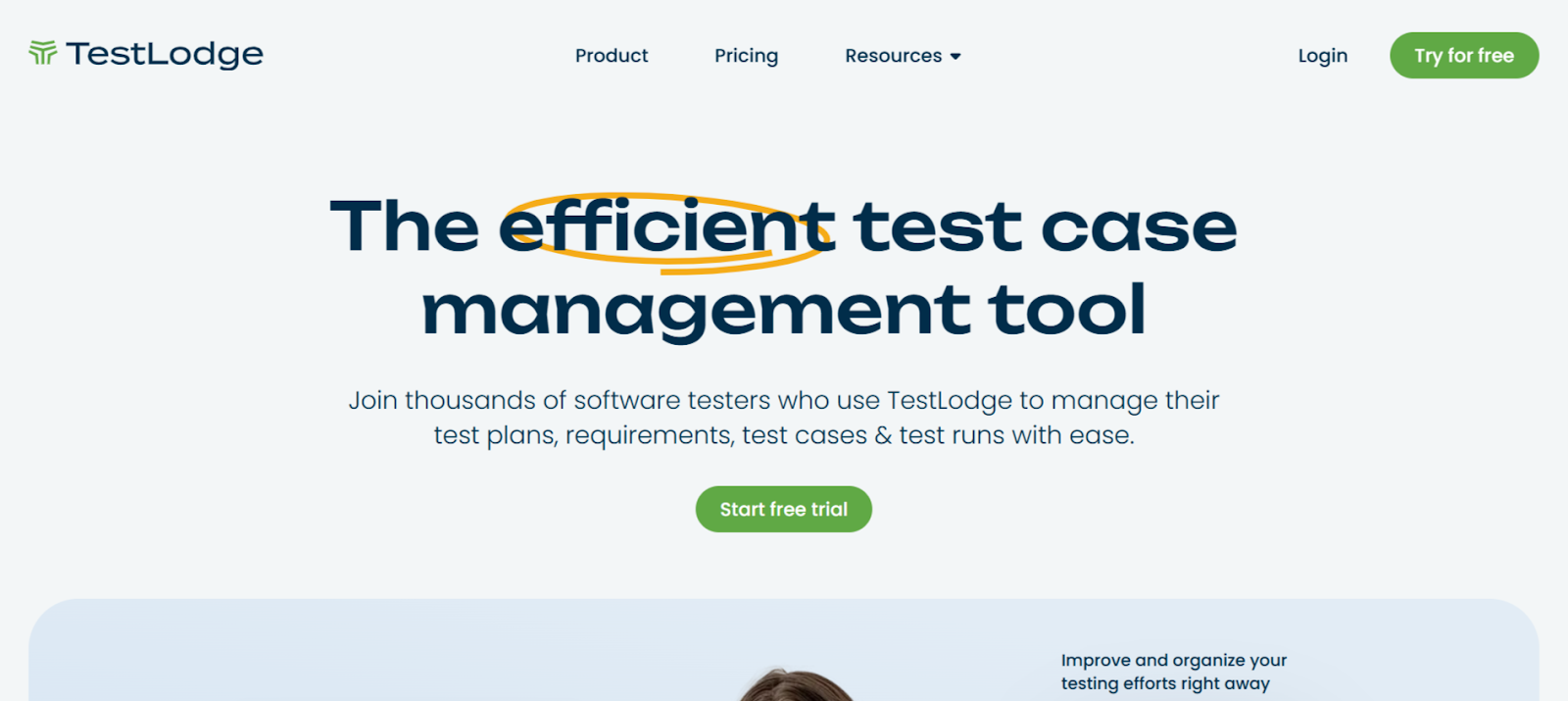
TestLodge test case management tool helping teams organize, manage, and track testing efforts efficiently.

TestLodge is a simple and modern test case management tool. It helps you organize and run tests easily. Teams of all sizes use it. It has supported more than 35 million test runs. It offers a clean and easy interface with no steep learning curve. 

Key Features

  • Simple Test Plan: TestLodge gives you a clear space to create test plans and run tests. This helps you work faster without extra complexity.
  • Unlimited Users: You can add as many team members as needed. This gives full access without increasing cost.
  • Issue Tracker Integration: TestLodge connects with issue tracking tools. It creates bug reports from failed tests and keeps the work smooth.

Who Is It For?

TestLodge suits QA teams, startups, and manual testers who want a simple and cost-friendly test management tool.
10. PractiTest

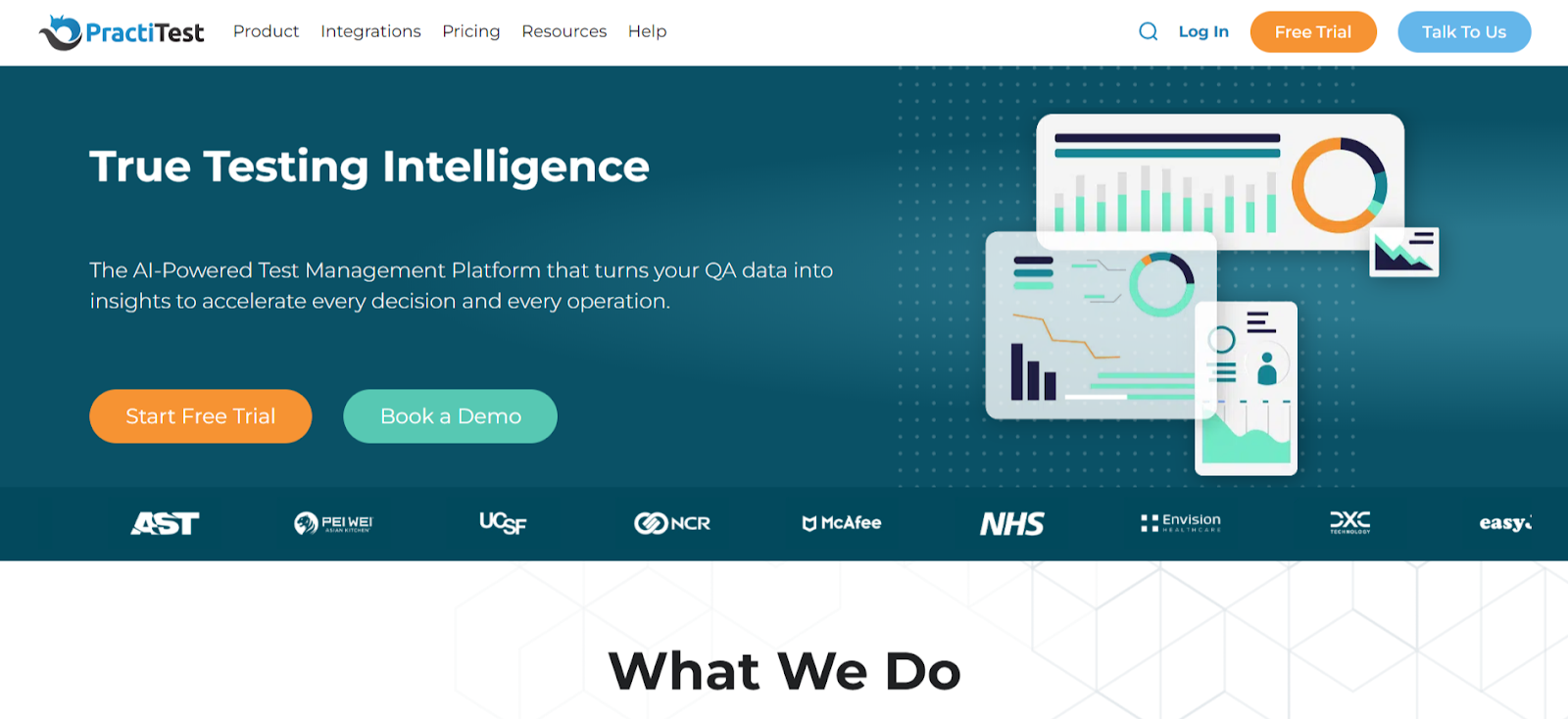
PractiTest AI-powered test management platform helping teams turn QA data into insights.

PractiTest is an AI-powered test management platform. It turns raw QA data into clear and useful insights. It uses a connected data model to link all testing data. This helps you make faster and smarter decisions. It handles millions of test runs and API calls every month. This shows strong enterprise trust.

Key Features

  • Connected Data Model: PractiTest connects requirements, test cases, runs, and defects in one system. This helps AI deliver accurate insights.
  • AI-Powered Operations: SmartFox AI manages daily QA tasks like planning and execution. This reduces manual effort and lets you focus on important work.
  • Leadership Ready Testing Dashboards: PractiTest gives clear dashboards and reports. These help you track quality and progress with confidence.

Who Is It For?

PractiTest suits QA managers and enterprise teams that rely on data-driven decisions and need strong AI insights.
11. AgileTest

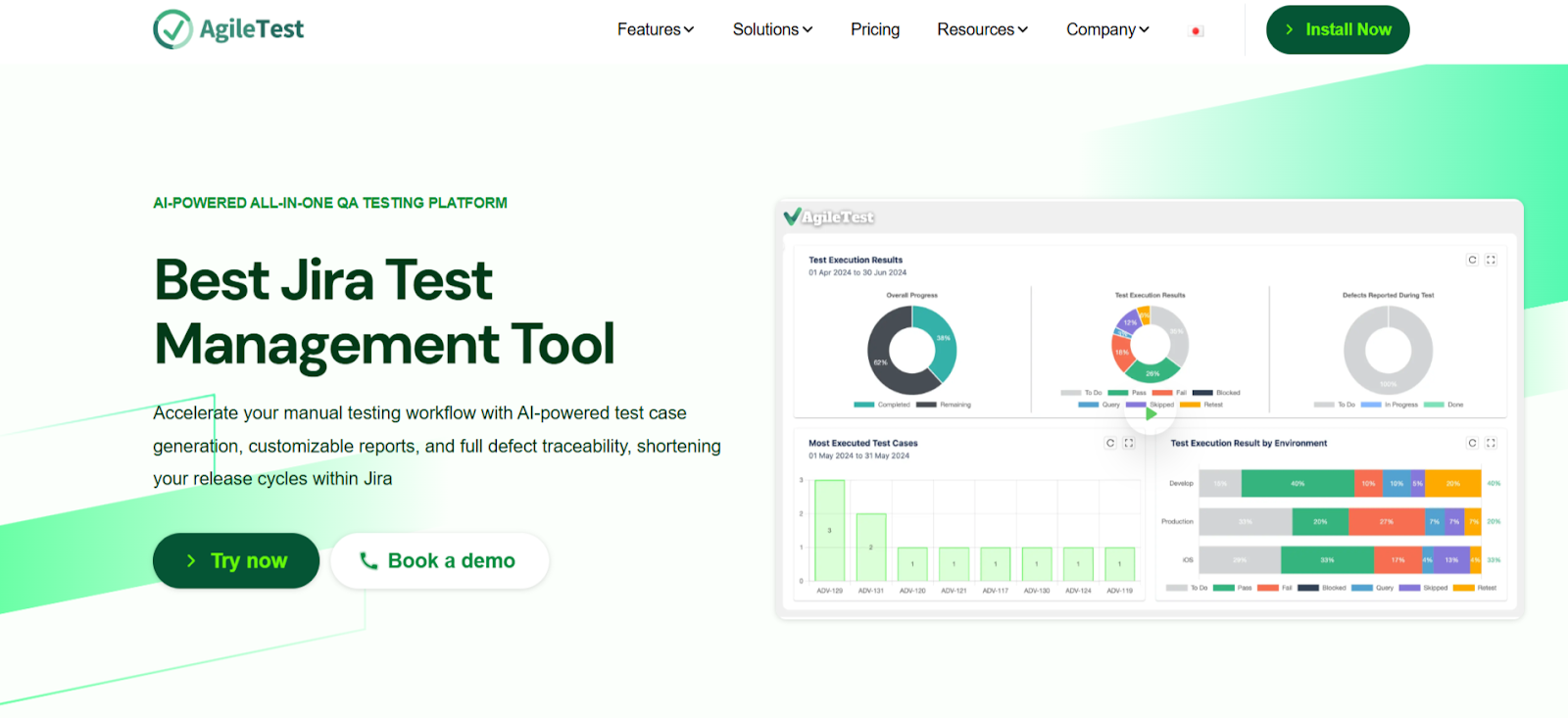
AgileTest is an AI-powered testing tool helping teams accelerate manual testing with test case generation.

AgileTest is an AI-powered QA testing platform built inside Jira. It works well for teams that use the Atlassian ecosystem. It supports all types of testing, including manual and automated work. It keeps clear links between requirements, tests, and defects. It also helps teams move faster with strong results.

Key Features

  • AI-Generated Test Cases: AgileTest creates test cases inside Jira using AI. It also helps you review and analyze results faster.
  • Requirement to Defect Traceability: AgileTest links all testing steps clearly. This helps you track changes and make fast release decisions.
  • Custom Real-Time Dashboards: AgileTest gives dashboards with live data. You can customize them to match your team's needs.

Who Is It For?

AgileTest suits QA teams that work inside Jira, Agile teams, and manual testers who want everything in one place.

Conclusion

Your QA automation testing tools should help you ship with confidence. They should not slow your team down. The right tool shapes how fast you release and how well your product performs.

Each tool in this list solves a different part of testing. But the shift is clear. Teams now need AI-driven, connected, and scalable testing.

This is where TestSpell stands out. It gives you full visibility from requirements to execution. Think about your current setup. Does it feel slow or scattered?

If it does, rethink your approach. Try TestSpell. Move toward faster, smarter, and more reliable software delivery.


Table of Contents

    FAQs

    1. How do I choose the right tools qa testing for my team?
    You should match tools qa testing to your needs based on team size, tech stack, type of application, and level of automation maturity. Look for tools that fit your workflow and scale as your product grows.
    2. Are the latest automation testing tools replacing manual testing?
    No. The latest automation testing tools support manual testing, not replace it. Teams still use manual testing for exploratory work, while automation handles repetitive and high-volume tasks.
    3. How does AI improve QA automation testing tools?
    AI helps reduce test creation time, improve test stability, and detect failures faster. Tools like TestSpell use AI to generate, maintain, and validate tests with less manual effort.
    4. Can QA automation testing tools work across web, mobile, and APIs?
    Yes. Many modern QA automation testing tools support multiple environments, including web, mobile, API, and desktop, allowing teams to test everything within a single workflow.
    5. Do small teams need QA automation testing tools or only enterprises?
    QA automation testing tools are useful for teams of all sizes. Small teams use them to save time and scale faster, while larger teams use them to manage complex testing workflows efficiently.
    Blog Author Image
    Gautham

    AI-Native Product Strategist

    LinkedInBlog Social IconBlog Social IconBlog Share Link

    Don’t Miss Out
    We share cool stuff about coding, AI, and making dev life easier.
    Hop on the list - we’ll keep it chill.