


Changelog
July 1, 2026
.svg)
.jpg)
Is AI replacing software engineers, or are we believing the wrong story?
AI is now part of daily software development. Developers use it to write code, test features, and improve workflows. It helps cut down time and reduce manual effort. Still, many myths create fear and confusion around its real impact.
Common myths you may have heard:
These ideas sound convincing, but miss the bigger picture. They need clear facts and honest discussion. This blog debunks five major myths about AI in software engineering.
You have probably heard this before. People say AI will replace human developers. They claim it will automate everything from simple tasks to complex software work. But does that really sound realistic?
Debunking the Myth
Not true. Here is why:
✅ AI handles repetitive tasks. It does not replace human creativity or problem-solving.
✅ Complex software development still needs human thinking and real experience. AI cannot replace that value.
✅ Gartner predicts that by 2027, AI will create new roles in engineering.
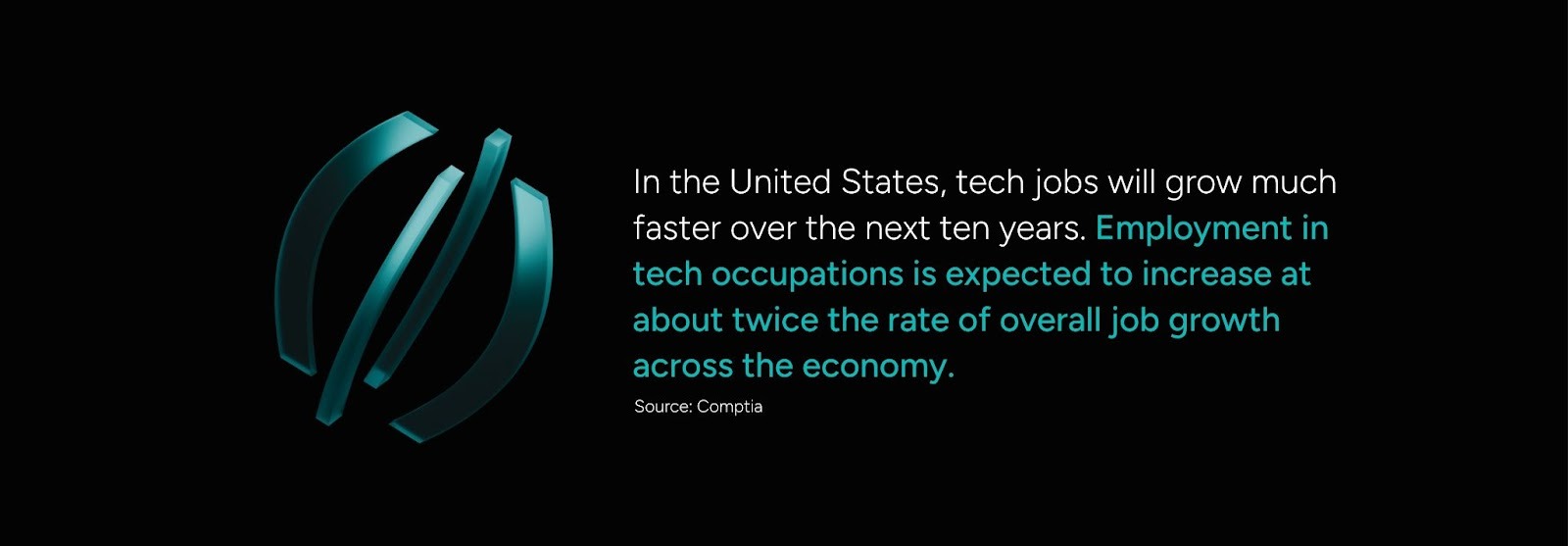
Some people believe that since AI can already write code, you do not need to learn new skills. They assume AI will eventually handle everything for you. But does that really make sense?
Debunking the Myth
Here is why this idea does not hold up:
✅ AI works as a powerful tool. But it cannot replace your creativity or decision-making skills.
✅ The tech industry changes quickly. You need to stay flexible to remain relevant. When you learn new frameworks, languages, and methods, you use AI more effectively. You guide it rather than relying on it without thinking.
✅ You also need to understand AI limits. You must spot mistakes or inconsistencies when they appear. That responsibility still belongs to you.
You may have heard that junior developers are becoming obsolete because of AI. Some people believe that as AI tools grow more powerful, teams no longer need entry-level developers. But does that idea truly reflect reality?
Debunking the Myth
Not true. Here is why:
✅ Junior developers stay in high demand because they bring fresh thinking and strong motivation to learn.
✅ They shape the future of tech teams. Over time, they grow into mid-level and senior roles. This growth supports the long term success of any team.
✅ Every senior developer once started as a junior. When teams stop investing in junior talent, they struggle to fill higher roles later.
You might think AI tools mainly help experienced engineers. Many people assume senior engineers face the most complex problems, so they gain the most value. But does that idea truly hold up?
Debunking the Myth
Not true. Here is why:
✅ Engineers at every level benefit from AI support. AI serves everyone, not just senior professionals.
✅ If you are a junior developer, AI can speed up your learning process. It helps you understand syntax and best practices much faster.
✅ Senior engineers use AI to save time on repetitive work. At the same time, new developers use AI to improve productivity and strengthen learning. Both gain real value from it.
Here’s how AI is actually used by developers.
Source: 2025 Developer Survey
You may have heard that AI only helps with code generation. Many people see it as just a coding assistant. However, AI can do much more than that.
Debunking the Myth
Here is the real story:
✅ AI goes beyond writing code. It also improves requirement analysis. With its support, teams define needs more clearly and work more efficiently from the start.
✅ AI also strengthens testing. It finds bugs faster and reduces manual effort. At the same time, it increases test coverage.
✅ AI also plays a strong role in DevOps. It improves daily operations by optimizing workflows. It speeds up deployment and supports smoother integration across systems.

The Software Development Life Cycle (SDLC) is, undoubtedly, the backbone of efficient software delivery, and SoftSpell accelerates it by optimizing every phase without compromising quality. Here’s how SoftSpell transforms your SDLC processes.
Efficiently manages and organizes requirements from legacy code, emails, product docs, and more.
CodeSpell:
An AI-powered code assistant to refine and optimize your code quickly.
AI-powered test automation keeps quality aligned with development speed.
OpsSpell:
Optimize operations by enhancing workflow integration.
SoftSpell is your all-in-one solution for an accelerated, smoother SDLC, designed to drive faster releases with higher quality.
Human AI collaboration can truly change the way you build software. It can improve both speed and quality. But you need to use AI the right way. How do you use AI effectively without depending on it too much?
Let us walk through some best practices and common mistakes.
To get the best results from AI, you need balance. You should combine AI support with human judgment. Here are some practical ways to use AI wisely while keeping control in your hands.
✅ Keep a Human in the Loop: Always review AI suggestions before you apply them. Make sure they meet your requirements and standards.
✅ Use AI as a Pair Programmer: Think of AI as a brainstorming partner. Its suggestions can help, but they still need validation. Treat them like input from a teammate.
✅ Document AI Contributions: Keep track of which parts of your code AI generates. This makes future maintenance easier and helps you meet required standards.
✅ Calibrate Trust: Set clear rules for when to accept, adjust, or reject AI input. Trust AI as a tool, but always apply your own judgment.
AI can improve productivity, but mistakes can slow you down. You need to stay aware of common issues and avoid them early.
❌ Over-reliance on AI: Never skip review steps just because AI suggests a solution. Always validate what it produces.
❌ Ignoring Onboarding or Training: Take time to learn new tools properly. Good onboarding helps you get real value from AI.
❌ Failing to Explain AI Decisions: Clearly explain AI-driven decisions to stakeholders. This builds transparency and trust.
When you follow these practices and avoid these mistakes, you turn AI into a strong and reliable teammate in your software development process.
Suggested Read: 6 Signs Your SDLC Isn’t Ready for AI-First Products
Is AI replacing software engineers? AI does not replace developers. It strengthens your capabilities and supports your work. You stay in control while AI helps you move faster and work smarter. That is where real progress begins.
The future of software engineering jobs depends on human-AI collaboration. Together, you create a new phase of innovation and productivity. When you use AI tools wisely, you focus more on creative problem-solving. You improve efficiency and speed up the software development life cycle.
Imagine what you can achieve when your skills and AI work side by side. You combine human expertise with AI support to build the next generation of software.



July 1, 2026
Don’t Miss Out
We share cool stuff about coding, AI, and making dev life easier.
Hop on the list - we’ll keep it chill.

© 2026, SoftSpell. All Rights Reserved


