


Changelog
July 1, 2026
.svg)
.png)
Let’s be honest. We all have few nightmares in our development history. For me, it was my chaotic, fragmented workflow. I used to think I was efficient, but my process was a messy cycle of manual, repetitive work. My codebases were like beautifully fragmented puzzles, each piece built with care, but without a clear, automated connection to the next.
The handoff from design to code was a black hole of miscommunication. My test coverage was a joke. I knew it, but I didn't know how to fix it without working 80-hour weeks.
Then, I stumbled upon code generation ai tools that changed everything. It wasn't just another AI tool. It was a full-stack co-pilot that understood my entire workflow. It was Codespell.ai.
A couple of years back, requirements were often just a bulleted list in a document, open to interpretation. I would spend hours trying to translate vague business needs into concrete technical specifications. Misinterpretations led to rework, delays, and frustrated stakeholders. It was a messy, human-driven process that was a major bottleneck.
Then I started using ReqSpell. This tool uses AI to help define, clarify, and structure project requirements. It's like having a technical product manager on call. I could input rough ideas or business goals, and ReqSpell would help me define clear, actionable user stories and even generate the initial API specs from those requirements. This direct link from requirements to code meant my development was always aligned with the business objective, reducing rework and ensuring the final product delivered exactly what was needed.
The promise of "Figma-to-code" has been around for years, but it rarely lives up to the hype. We've all seen the code generation AI tools that turn a clean design into a bloated, unmaintainable mess. It was always faster to just build it myself and avoid the technical debt. The dreaded design handoff was a source of constant frustration - discrepancies between the mockup and the final product, and hours spent on minor pixel adjustments.
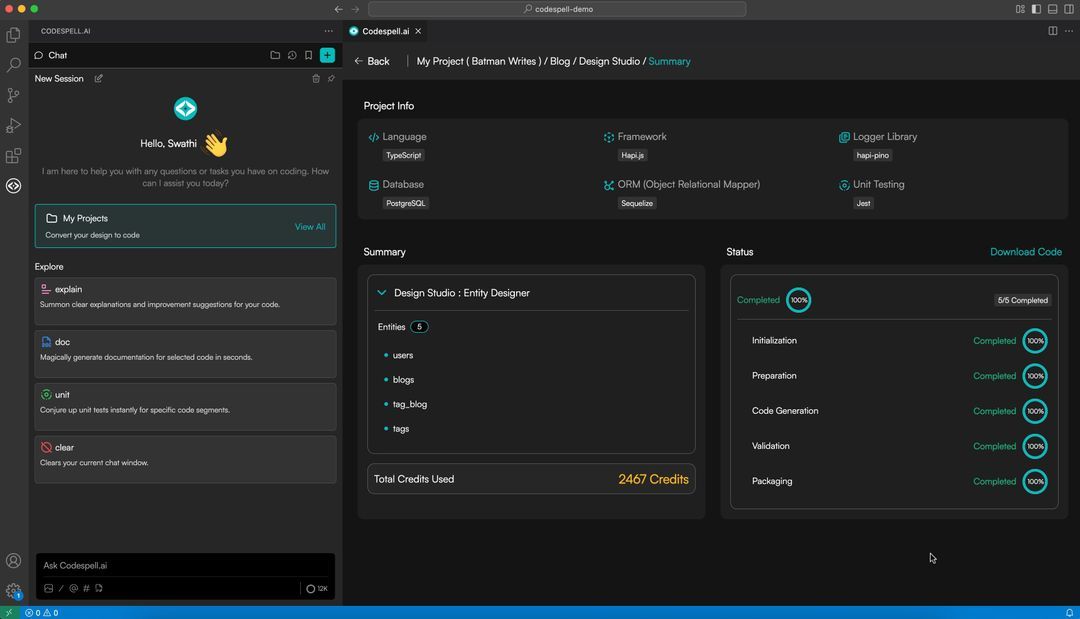
Then I discovered CodeSpell’s Figma-to-Code functionality. It was different. Instead of generating a static, monolithic block of code, it understood the underlying structure of the design. It used an ER-based model to generate a clean, scalable codebase that was ready for production. This wasn't a magic button; it was an intelligent automation tool. It gave me a foundation of well-structured code that I could actually build on, saving me days of manual work and countless headaches.
Every codebase has its weak spots: we all skip documenting that one function. We all promise to refactor that inefficient block of code "later." My codebase was full of my own laziness and bad habits. I was a master of writing manual, repetitive code, but it was tedious and prone to errors.
That's where CodeSpell's AI Code Assistant stepped in. It was like having a junior dev who specialized in the boring stuff.
Example: My Old Boilerplate vs. AI Automation
I was writing a new user registration route. My old self would have done this:
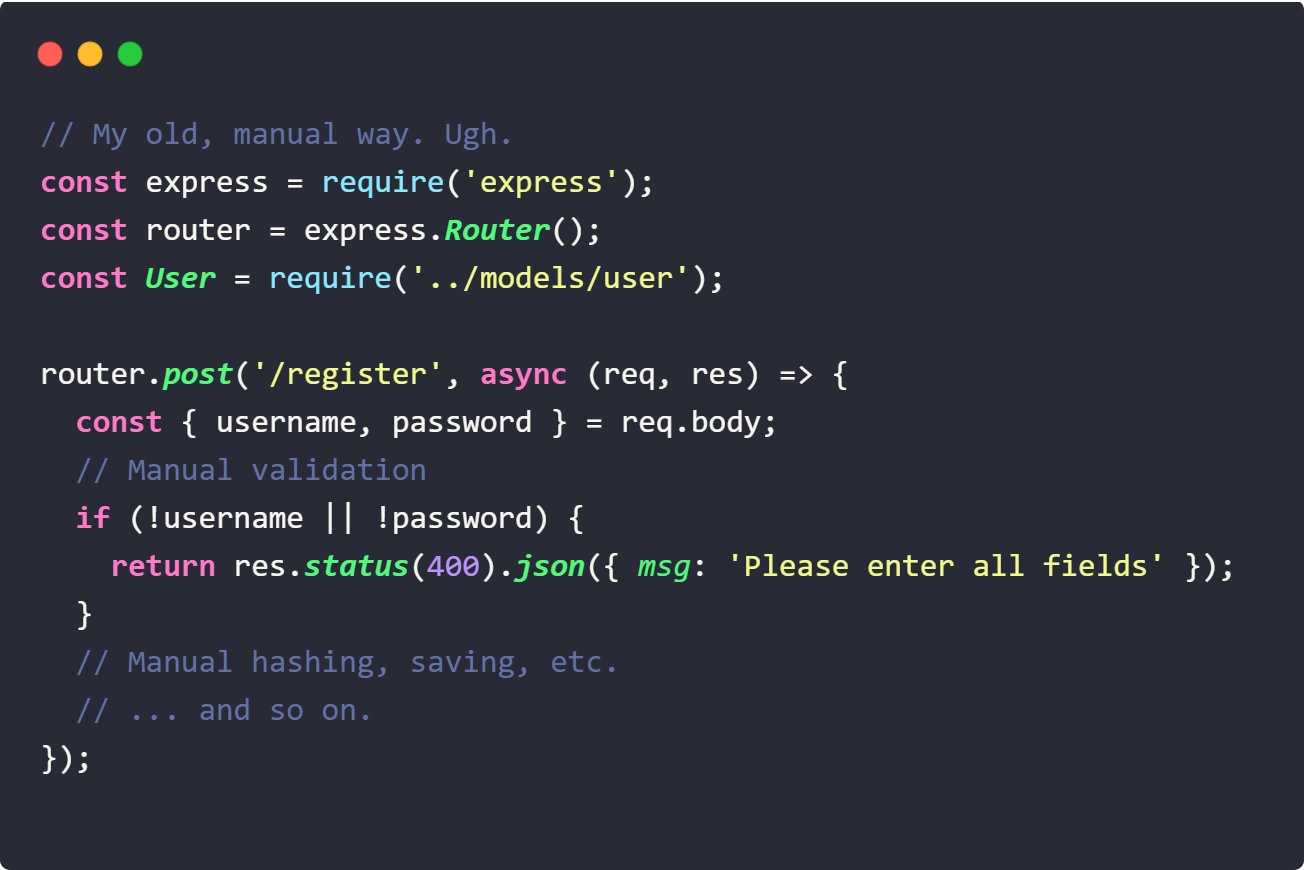
But CodeSpell’s AI changed the game. It understands my project structure and can auto-generate this entire route, complete with validation, hashing, and database interaction, directly from a simple command or an ER model. It handles drudgery, and I get to focus on the unique business logic that actually matters.
The worst feeling in development is hitting "deploy" and crossing your fingers. My biggest fear was a bug slipping through my half-hearted manual checks. Writing automated tests for every API endpoint was a mountain I just didn't have time to climb. I knew I needed better test coverage, but the effort felt overwhelming.
That's where TestSpell came in. As part of the CodeSpell platform, TestSpell automatically generates robust API test scripts from my API specifications and documentation. It analyzes the code and generates test cases that check for both functionality and security vulnerabilities. This wasn't about me writing tests anymore; it was about the AI for code generation doing the heavy lifting, giving me the confidence to deploy without the constant fear of a production bug. My test coverage went from "what's that?" to a comprehensive safety net.
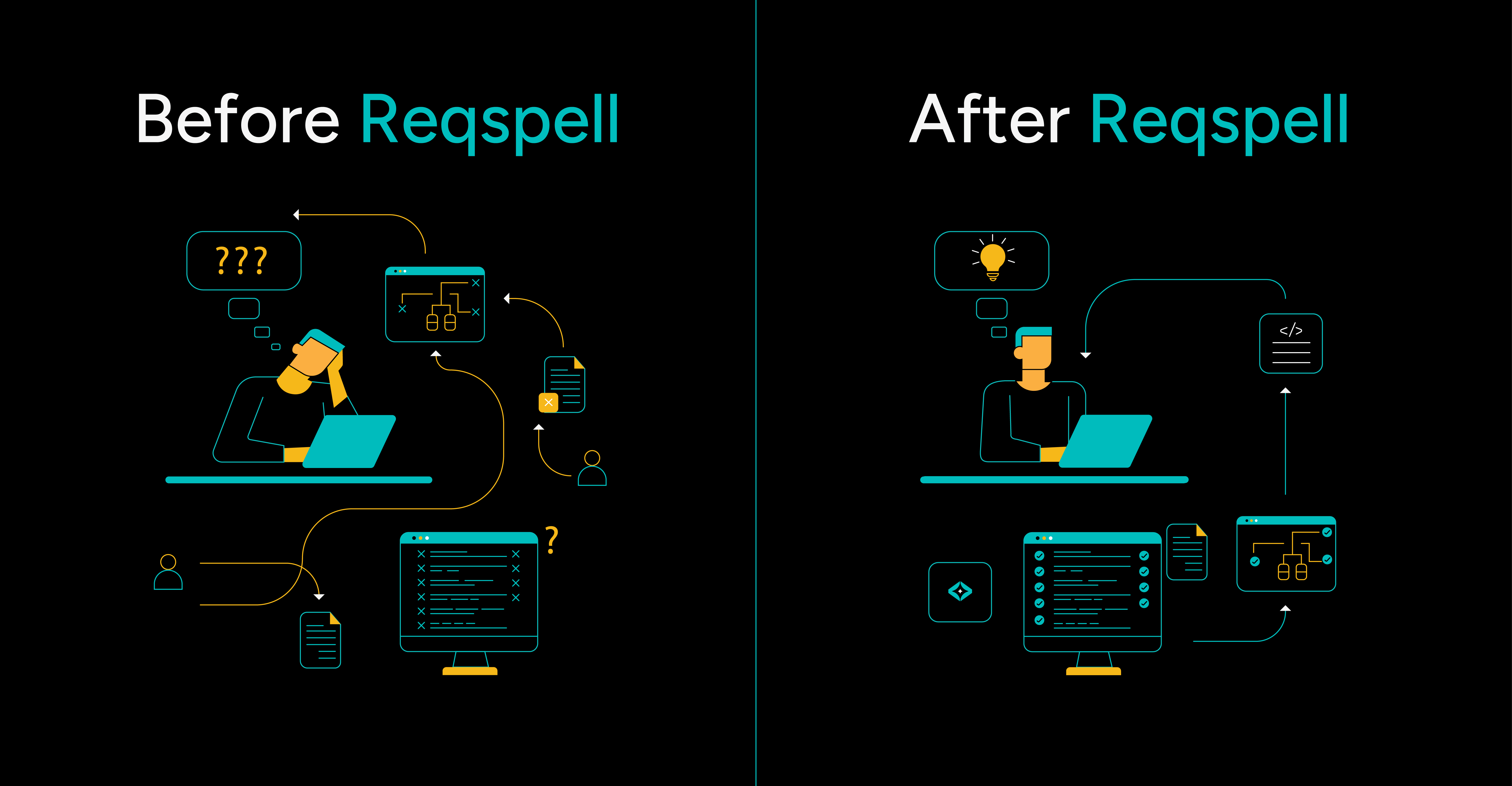
Once I stepped back and looked at my workflow, the difference wasn’t subtle — it was structural. I wasn’t just moving faster, I was working in an entirely different system.
Before, everything felt disconnected. Requirements were unclear, design handoffs were messy, and testing always came too late in the cycle. Every stage depended on manual effort, interpretation, and constant backtracking.
After Codespell entered my workflow, the entire SDLC started operating as a connected system instead of isolated tasks.
The biggest shift wasn’t just speed, it was confidence. I stopped guessing what might break and started trusting the system I was building on.
It sounds dramatic, but it's true. Full-stack AI automation hasn't replaced me; it has elevated me. By automating the mundane, CodeSpell has code generation AI tools has given me the time and mental bandwidth to be more creative and strategic. I'm no longer a code-writing machine. I'm an architect, a problem-solver, and a creator. I trust my code. My workflow is no longer a confession of chaos - it's a testament to efficiency.
If your workflow feels like a series of fragmented tasks waiting for a better solution, it's time for a change. Don’t just look for a new tool - look for a new way of working.



July 1, 2026
Don’t Miss Out
We share cool stuff about coding, AI, and making dev life easier.
Hop on the list - we’ll keep it chill.

© 2026, SoftSpell. All Rights Reserved


